
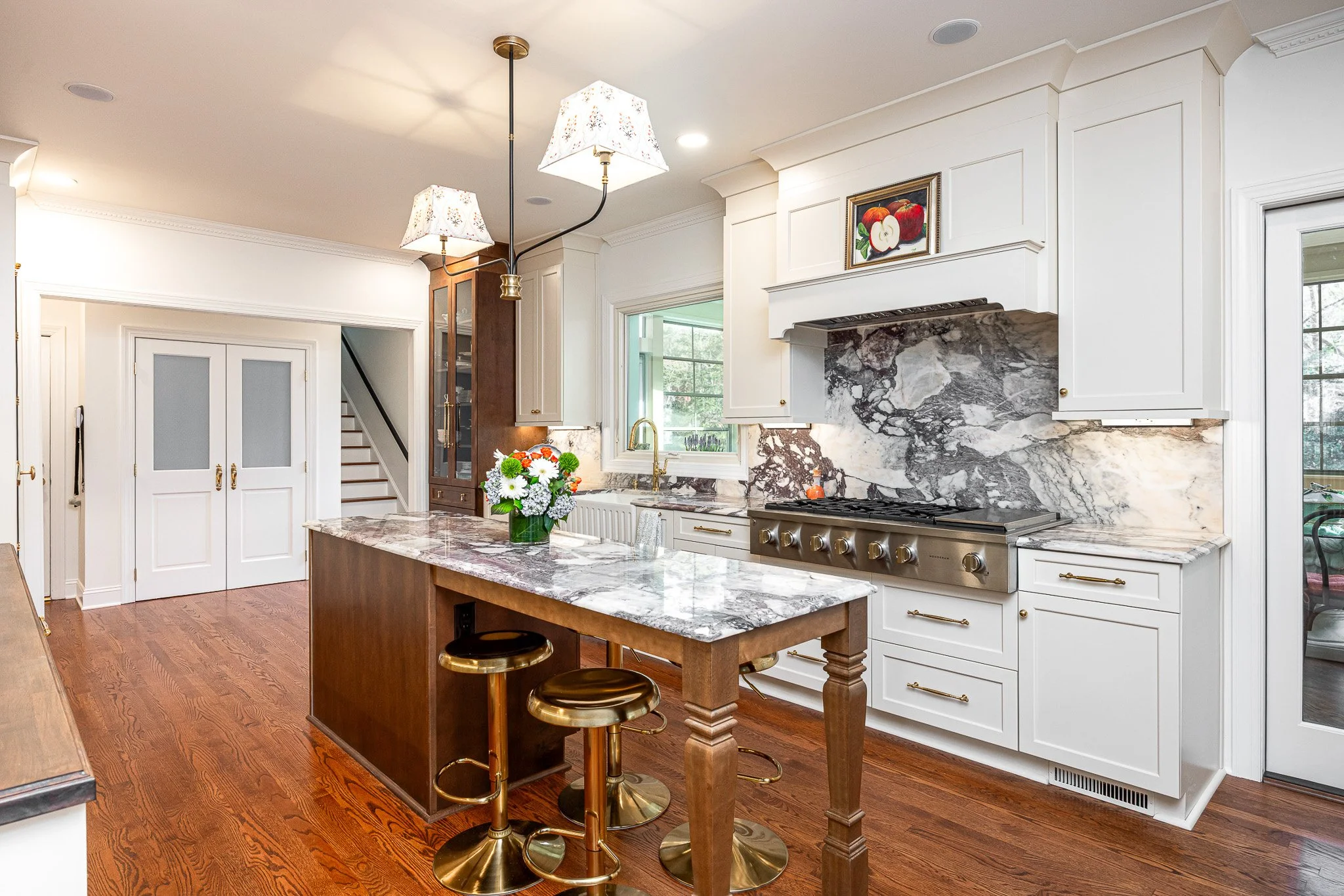
A whole home renovation requires thoughtful preparation, especially if you are renovating for the first time. With the right home remodel planning strategy, you can avoid confusion and move forward with clarity. From setting expectations to organizing each phase, planning helps you stay in control of your project.
In addition, a structured approach ensures that every detail is handled properly. This includes design choices, timelines, and coordination with professionals. As a result, your renovation becomes more efficient and less stressful.
Why Planning Is the Foundation of a Successful Remodel
A renovation project involves many interconnected steps. Without a clear plan, even small decisions can lead to delays or inconsistencies. Therefore, investing time in planning allows you to align your ideas with practical execution.
Moreover, planning helps you visualize the final outcome before work begins. This reduces the chances of making last-minute changes that could affect the flow of your project. In the long run, a solid plan improves both the process and the final result.
Working with a trusted general construction company can also make a significant difference. Professional guidance ensures that your planning aligns with realistic timelines and construction requirements.
Setting Clear Goals for Your Renovation
Before starting any work, it is important to define what you want to achieve. Every homeowner has different priorities, and understanding yours will guide the entire process.
For example, you may want to improve functionality, update the appearance, or create a more comfortable living space. Each of these goals will influence your design choices and planning decisions.
Understanding Your Lifestyle Needs
Your home should reflect how you live. Think about your daily routine and how your space supports it. If your current layout feels restrictive, your renovation can improve flow and usability.
In addition, consider future needs. Planning ahead ensures that your home remains practical and comfortable over time. This approach makes your home remodel planning more meaningful and long-lasting.
Creating a Detailed Renovation Plan
A well-organized plan is essential for any remodeling project. It serves as a roadmap that guides every stage of your renovation.
Start by outlining each phase of your project. This includes design, preparation, construction, and finishing. Breaking the process into smaller steps makes it easier to manage.
Furthermore, a clear plan helps you coordinate with professionals more effectively. When everyone understands the scope of work, communication becomes smoother.
Building a Practical Renovation Checklist
A renovation checklist keeps everything on track. It ensures that no important step is overlooked during the process.
Your checklist may include:
Defining project scope
Finalizing design ideas
Selecting materials
Scheduling work phases
Using a structured renovation checklist allows you to monitor progress and stay organized. It also helps you adapt if changes arise during the project.
Designing Your Ideal Living Space
Design plays a crucial role in shaping the outcome of your renovation. It is not just about appearance but also about functionality and comfort.
Take time to explore different design ideas and layouts. Consider how each space will be used and how it connects to other areas of your home. This ensures a cohesive and practical design.
In addition, working with professionals experienced in luxury home remodeling can help refine your ideas. Their expertise can guide you toward design solutions that balance style and usability.
Balancing Style and Functionality
While aesthetics are important, functionality should never be overlooked. A well-designed home combines both elements seamlessly.
For instance, choosing the right layout can improve movement within your home. Similarly, selecting durable materials ensures long-term performance.
By focusing on both design and practicality, your renovation will deliver a space that looks good and works efficiently.
Managing the Renovation Timeline
Time management is a key part of any remodeling project. Without proper scheduling, delays can affect multiple aspects of your renovation.
Start by setting realistic timelines for each phase. This includes preparation, construction, and finishing. Allow flexibility for unexpected changes, as they are common in renovation projects.
In addition, maintaining regular communication with your team helps keep everything on track. Clear updates ensure that everyone is aligned with the project schedule.
A well-managed timeline supports a smoother whole home renovation experience and reduces unnecessary stress.
Working with the Right Professionals
Choosing the right team is essential for a successful renovation. Skilled professionals bring experience and efficiency to your project.
When selecting a contractor, look for clear communication and a structured approach to planning. This ensures that your ideas are understood and executed properly.
If you are ready to start your project, you can Contact us to discuss your renovation goals. A professional consultation helps you move forward with confidence.
The Importance of Clear Communication
Communication plays a vital role throughout the renovation process. Regular updates help prevent misunderstandings and keep the project aligned with your expectations.
In addition, open discussions allow you to address concerns early. This proactive approach supports better decision-making and smoother progress.
Avoiding Common Renovation Mistakes
Many homeowners face challenges during renovation due to lack of planning. However, understanding common mistakes can help you avoid them.
One common issue is rushing into decisions without proper research. Taking time to evaluate options ensures better outcomes.
Another challenge is overlooking small details. Even minor elements can impact the overall result. Therefore, attention to detail is essential in every stage of your project.
Following practical planning tips can help you stay focused and make informed decisions throughout your renovation.
Bringing Your Renovation Vision to Life
Once planning is complete, the execution phase begins. This is where your ideas gradually take shape.
During this stage, it is important to stay involved in the process. Regular site visits and updates help ensure that everything aligns with your expectations.
In addition, flexibility is important. Adjustments may be needed as the project progresses. Being open to changes allows you to handle challenges effectively.
A well-executed whole home renovation transforms your space into a functional and visually appealing environment.
Final Thoughts on Home Remodel Planning
Planning is the key to a successful renovation. By taking a structured approach, you can simplify a complex process and achieve better results.
From defining your goals to managing timelines, every step plays a role in shaping your outcome. With the right guidance and preparation, your renovation journey becomes more manageable.
Ultimately, a thoughtful whole home renovation enhances both your living space and your overall experience.
Frequently Asked Questions (FAQs)
-
The first step is defining your goals and understanding what you want to achieve. This helps guide your decisions throughout the renovation process. Clear goals make planning more effective and focused.
-
The timeline depends on the scope of work and project complexity. Proper planning helps create a realistic schedule. Flexibility is also important, as some delays may occur during construction.
-
A renovation checklist keeps your project organized and ensures no steps are missed. It helps track progress and maintain clarity throughout the process. This makes planning more efficient.
-
Look for professionals with clear communication and structured planning methods. A reliable contractor will understand your needs and guide you through each stage. This ensures smoother execution.
-
Yes, but changes should be managed carefully. Adjustments can impact timelines and workflow. Therefore, it is best to finalize major decisions during the planning stage.